
9 Best Brick Floor Entryway And Mudroom Ideas For A Rustic Timeless Look
Brick floor entryway and mudroom flooring get tested every day. Shoes bring in water, grit, and whatever the weather left outside.
Brick can take that kind of use, and the small marks do not jump out the way they do on smoother floors.
Here are brick ideas that keep the rustic, timeless look without making the space fussy.
Brick Floor Entryway With Warm Natural Color Variation
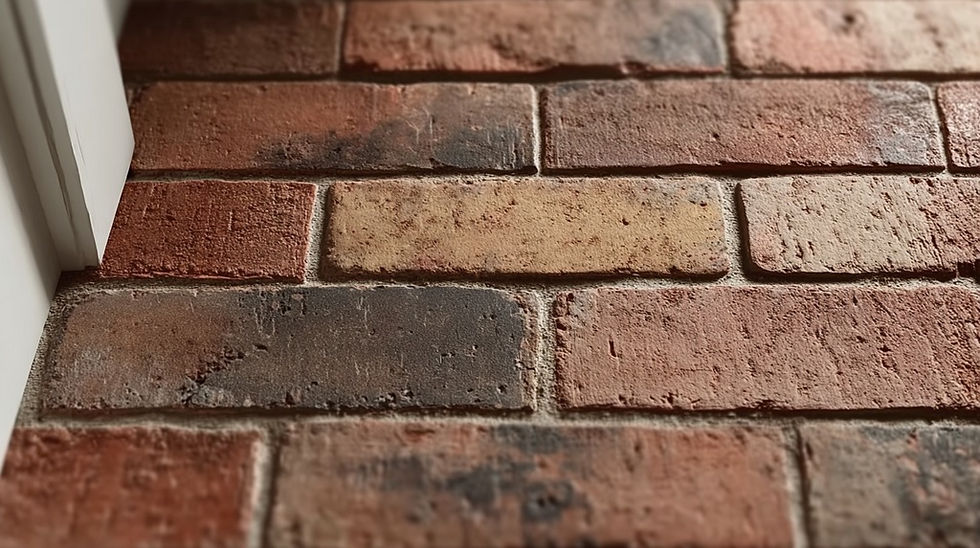
Warm mixed brick tones help an entryway look consistent day to day, even when light changes or the floor gets wet.
Color variation also makes small marks blend in, so the surface stays presentable between cleanups. Keep the rest of the space simple so the floor does the work.
Additional Tips
Pick a mid-tone grout for lower day-to-day maintenance
Lay brick lengthwise to make a narrow brick floor entryway feel longer
Dry lay a small test area first and confirm the look in morning and evening light
Seal after install, then reseal on a schedule that matches traffic and cleaning habits
Product Recommendation
Real Thin Brick Rustic Thin Brick Collection in Ballard mix

Specs:
Thin brick thickness: about 1/2 inch
Typical size: 7.5 x 3.75 inch, plus an 8 x 2.25 inch option
Ballard stays warm and varied without looking chaotic. Rustic surface texture supports a lived in look, so wear blends in.
One mix also keeps entryway flooring and mudroom flooring consistent when both areas connect or sit close together.
Brick Floor Entryway Flooring With Herringbone Layout

Herringbone changes the whole look of the brick floor entryway flooring. The surface looks finished, even with plain walls and basic storage.
More cuts mean more planning, so layout work matters before install day. Start with a centered spine line, then build out so cuts land in less visible zones.
Tips that Help on Site
Use a dry layout to lock the starting point and end cuts
Keep joint width consistent, since herringbone makes uneven joints obvious
Plan the pattern so the main view from the door looks balanced
Seal after install, then keep a simple cleaning routine with mild products
Product Recommendation Specs And Notes
Real Thin Brick Antique Thin Brick Collection in Georgetown mix

Specs:
Thin brick thickness: about 1/2 inch
Common size: 8 x 4 inches, plus other size options
Fired at about 2200°F in gas kilns
Antique texture stays more controlled than heavy distressing, which suits a pattern with lots of edges.
Georgetown runs deeper in tone, so grout lines read cleaner, and the pattern looks sharp.
Mudroom flooring can use the same setup when the entryway leads straight into a utility zone.
Mudroom Flooring With Basket Weave Pattern

Basket weave works well in mudroom flooring where the space feels square or compact.
The pattern breaks up straight lines and keeps the floor from looking flat. It also helps disguise uneven wear in spots where people stop, turn, or kick off shoes.
Planning matters here, since basket weave depends on consistent spacing to stay readable.
Useful Points to Consider
Measure the room carefully so that full pattern blocks land near the center
Keep the grout width uniform so the weave stays clear
Use a darker grout if the mudroom sees frequent moisture
Check the pattern from standing height before final setting
Product Recommendation Specs And Notes
Real Thin Brick Rustic Thin Brick Collection in Fremont mix

Specs:
Thin brick thickness: about 1/2 inch
Sizing options: 7.5 x 3.75 inch and 8 x 2.25 inch
Fremont brings more color range, which supports a patterned layout without looking repetitive.
Rustic surface texture keeps the floor from feeling too neat, which suits a mudroom that sees daily use.
The mix handles basket weave well because the variation spreads evenly through the pattern.
Brick Floor Entryway Flooring With Whitewashed Brick Finish

Whitewashed brick helps an entryway feel lighter without losing texture. The surface still reads as brick, just softer in tone.
The finish also keeps the floor from dominating the space.
Points to Keep in Mind
Use whitewash when the entryway connects to darker rooms
Keep grout close in tone so joints do not overpower the surface
Test a small area first since whitewash reads differently under daylight and artificial light
Maintain with gentle cleaners to keep the finish even
Product Recommendation Specs And Notes
Real Thin Brick Rustic Thin Brick Collection in Snoqualmie Whitewash mix

Specs:
Thin brick thickness: about 1/2 inch
Size: 7.5 x 3.75 inch and 8 x 2.25 inch
Snoqualmie Whitewash keeps enough brick color showing to avoid a painted look. The Rustic collection adds surface variation, which prevents the floor from feeling flat.
This mix suits brick floor entryway flooring that needs brightness while staying grounded and practical.
Mudroom Flooring With Narrow Brick And Spanish Bond

Spanish bond gives mudroom flooring a structured look without feeling busy. The repeating blocks make the floor easy to read, which helps in a space with hooks, shelves, and lots of small items.
Narrow brick also brings more joints, so the surface shows the pattern clearly and can feel more stable underfoot.
Notes Before Installation
Use narrow brick when the mudroom feels small and you want the pattern to do the work
Plan the bond blocks so cuts fall along less visible edges
Pick grout that matches the main brick tone for a calmer look
Seal well since mudrooms see frequent water and dirt
Product Recommendation Specs And Notes
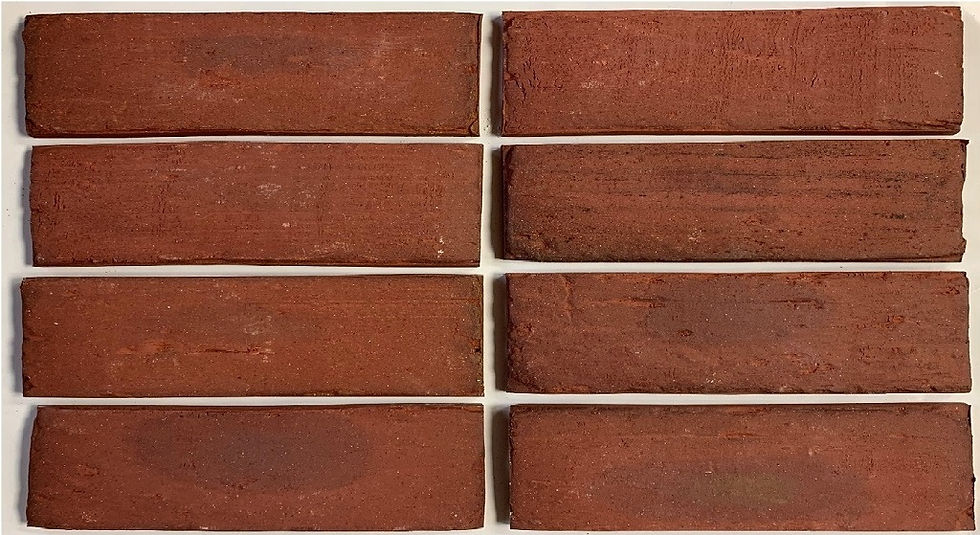
Real Thin Brick Antique Thin Brick Collection in Ravenna mix
Specs:
Thin brick thickness: about 1/2 inch
Sizing options: 8 x 2.25 inch and other formats
Ravenna stays close to natural clay color, which suits a pattern that already has strong geometry.
Antique texture keeps edges from looking too sharp, so the layout still feels natural. This setup works well when mudroom flooring needs to be ordered without looking formal.
Brick Floor Entryway With Running Bond Layout
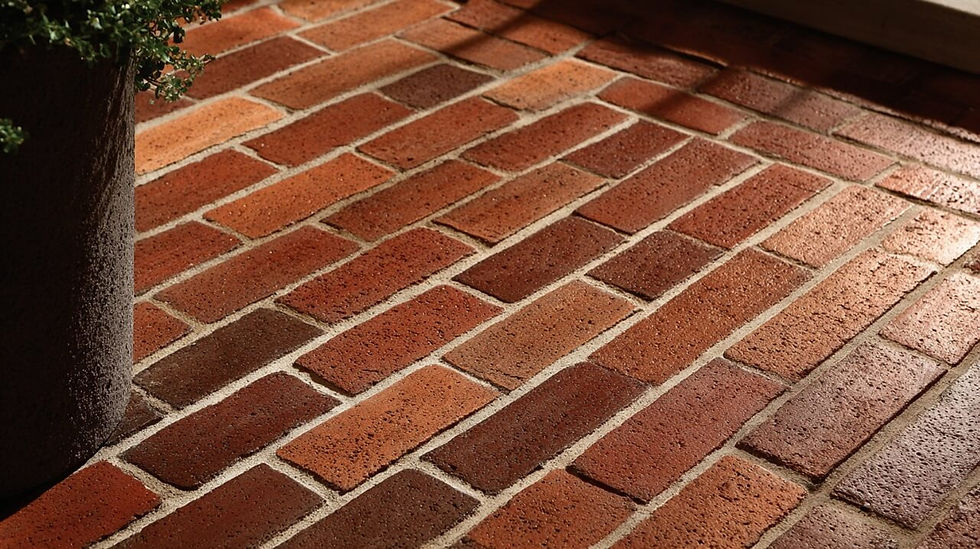
Running bond stays popular because it works in almost any entryway shape. The layout reads clean from the door and does not compete with coats, benches, or storage nearby.
It also makes installation simpler, which helps keep cuts consistent and grout lines straight.
Things to Plan Ahead
Run the pattern in the direction of foot traffic for a smoother visual flow
Keep the offset consistent so the rows do not drift
Choose grout slightly darker than the brick for easier upkeep
Check the layout from the doorway before locking the first row
Product Recommendation Specs And Notes
Real Thin Brick Rustic Thin Brick Collection in Ravenna mix

Specs:
Thin brick thickness: about 1/2 inch
Size: 7.5 x 3.75 inch and 8 x 2.25 inch
Ravenna keeps the look straightforward and balanced. The natural clay tone pairs well with a simple layout, letting the pattern support the space without drawing attention.
This setup suits brick floor entryway flooring that connects easily to adjacent rooms.
Mudroom Flooring With Darker Brick And Tighter Grout Lines

Darker brick shifts attention away from daily mess and wear. In a mudroom, that helps the floor stay visually steady between cleanings.
Tighter grout lines also reduce visual clutter, which matters in utility focused spaces.
Points to Consider
Use darker mixes where shoes get kicked off or gear piles up
Keep grout joints narrow to limit contrast
Test the grout color once the brick is dry-laid
Seal both brick and grout fully before regular use
Product Recommendation Specs And Notes
Real Thin Brick Rustic Thin Brick Collection in Georgetown mix
Specs:
Thin brick thickness: about 1/2 inch
Sizing options: 7.5 x 3.75 inch and 8 x 2.25 inch
Georgetown runs deeper in tone, which keeps marks from standing out. Rustic surface texture softens the darker color, so the floor does not feel heavy.
This option works well in mudrooms that see frequent use and limited daylight.
Brick Floor Entryway Flooring With Diagonal Layout

A diagonal layout shifts how the space reads as soon as you step inside. The angle pulls the eye outward, which helps smaller entryways feel less boxed in.
This approach needs more cutting, so planning and layout lines matter before setting the first brick.
Things to Sort out Early
Snap clear reference lines to keep the angle consistent
Expect more waste and plan extra material
Keep the grout tone close to the brick to avoid visual clutter
Dry lay a section to confirm the angle works with door swings and trim
Product Recommendation Specs And Notes
Real Thin Brick Antique Thin Brick Collection in Fremont mix

Specs:
Thin brick thickness: about 1/2 inch
Sizing: multiple rectangular formats
Fremont brings variation that spreads evenly in a diagonal layout. Antique texture keeps edges controlled, which helps the pattern stay readable.
Mudroom Flooring With Subtle Color Range And Simple Pattern

Not every mudroom needs a strong pattern. A simple layout with light variation keeps the space functional and easy to live with.
It works well when storage, lockers, or cabinetry already fill the room.
Additional Tips
Use a straight pattern to keep installation predictable
Let color variation do the visual work instead of layout
Choose grout that blends with the average brick tone
Reseal on a regular schedule based on use
Product Recommendation Specs And Notes
Real Thin Brick Rustic Thin Brick Collection Snohomish

Specs:
Thin brick thickness: about 1/2 inch
Rustic sizing options include 7.5 x 3.75 inch and 8 x 2.25 inch
Fired in gas kilns at about 2200°F
Snohomish Whitewash keeps the brick look while lifting the overall tone, which helps in mudrooms that feel dark.
Rustic surface texture keeps the finish from reading flat. A simple layout, along with this mix, gives a clean result without adding extra pattern complexity.
Frequently Asked Questions
Is Brick Flooring Too Cold For An Entryway Or Mudroom?
Brick feels cooler than wood or vinyl, especially in winter, but the temperature stays stable. In entryways and mudrooms, that usually works fine because shoes stay on. In colder climates, pairing brick with proper subfloor insulation or radiant heat solves the issue without changing the look.
How Slippery Is Brick Flooring When Wet?
Brick offers more grip than many smooth flooring options, especially when sealed with a penetrating sealer instead of a glossy finish. Texture, grout joints, and finish choice all affect traction. For mudrooms, avoid high-gloss sealers and keep grout lines consistent.
Can Brick Flooring Be Installed Over Concrete Or Existing Tile?
Brick tile can be installed over concrete slabs and, in some cases, over existing tile if the surface is stable and level. Proper surface prep matters more than the substrate itself. A professional installer can confirm bonding and height transitions before work starts.
How Often Does Brick Flooring Need To Be Resealed?
Resealing depends on traffic and cleaning habits. Busy entryways and mudrooms usually need resealing every one to three years. Signs include darker grout lines, faster moisture absorption, or harder cleanup. A simple water test can show when it is time.
What Grout Type Works Best For Mudroom Flooring With Brick?
Sanded grout usually fits brick floors because joints tend to be wider than tile joints. In mudroom flooring, a grout with stronger stain resistance helps, since wet dirt sits in joints first. Matching the grout color closer to the brick tone also keeps joints from looking dirty between cleanups.
The Bottom Line
Brick floor entryway and mudroom flooring sit on the front line of the house. Every season leaves something behind, and the floor either shows it or shrugs it off.
Brick does the second one, especially when the pattern feels intentional, and the grout and sealer get chosen with daily life in mind.
Get those basics right and the space stays looking good without constant work.


