
How to Select Grout Color for Thin Brick Walls and Floors To Make Them Look Perfect
Every brick wall tells a story through color, pattern, and texture. The grout color decides how that story unfolds.
A perfect match can make the surface look unified and natural, while a contrast can highlight each brick and give the wall more depth.
The grout defines the shape, tone, and overall impression far more than most people expect.
In the following sections, you will learn about the most attractive grout and brick color combinations for different areas of the home.
Key takeaways
Pick a grout color that feels right for the room, not only for the brick.
Light tones make a wall look open and clean.
Darker shades give structure and hide wear on floors.
Warm colors pair better with red or tan brick.
Cool gray tones fit modern white or gray brick.
Always test a small area before finishing the whole wall or floor.
Best Grout Colors and Combinations for Thin Brick Walls and Floors
A grout color can completely change how a thin brick surface looks. The brick itself may set the tone, but the grout locks in the style. You can make the wall look aged, polished, warm, or cool simply by shifting the shade of the grout.
The key is to match the color with the brick’s tone, the light in the space, and the kind of look you want to achieve.
Light vs Dark Grout Choices

Light grout brings a clean and open appearance. It blends with pale bricks, smooth transitions, and gives a unified finish. It fits kitchens, modern living areas, and places where you want a brighter feel.
Dark grout builds contrast and shows every brick edge clearly. It fits rustic or industrial styles where texture and shadow matter.
Common Grout Colors Used with Thin Brick

White or off-white
Light gray
Mid gray
Charcoal gray
Beige or buff
Sand or tan
Brown or mocha
Custom pigment mixes
Most Popular Combinations
Brick Color | Recommended Grout | Effect |
Classic Red Brick | Light Gray | Soft contrast, balanced look |
Classic Red Brick | Charcoal | Sharp edges, strong definition |
Whitewashed Brick | White or Cream | Seamless, smooth surface |
Dark Brown Brick | Beige or Buff | Warm, natural finish |
Mixed Tone Brick | Mid Gray | Unifies color variation |
Rustic Brick | Sand or Tan | Earthy and aged character |
How to Choose the Right Tone?
The grout must work with the main color of the brick and the tone of the room. A warm brick, such as red or brown, pairs better with beige or tan grout.
Cooler brick, such as gray or white, calls for neutral or light gray grout. If the floor gets a lot of foot traffic, go one shade darker to keep the surface looking clean longer.
How to Match Grout to Brick Color
Grout color defines how thin brick looks after installation. A close color match blends the bricks into one solid surface.
A contrast separates each piece and makes the wall feel detailed and structured. Every shade changes how the eye reads texture, pattern, and even the mood of a room.
Subtle Look

A subtle finish fits spaces that need calm balance instead of strong contrast. The best way to reach it is by choosing grout that shares the same tone family as the brick.
Best Pairings for A Blended Finish
Beige grout with buff or tan bricks creates soft, warm unity.
Light gray grout with white or light gray bricks keeps a clean, smooth surface.
Sand grout with natural clay brick keeps the look traditional and steady.
Off-white grout with pale brick gives a quiet, continuous tone across the wall.
Where It Works Best?
Living rooms, bedrooms, and home offices where a peaceful backdrop matters.
Strong Look

A stronger finish suits rooms that need texture and visible structure. Contrast pulls the eye to the edges of each brick and builds character into the layout.
Best Pairings for A Defined Surface
Charcoal grout with red brick adds power and rhythm to the pattern.
White grout with dark brown brick produces a clean, modern finish.
Mid-gray grout with multi-tone brick connects variation while keeping shape.
Brown grout with gray brick adds warmth to industrial-style designs.
Where It Works Best?
Kitchen walls, entryways, and accent areas that need energy and depth.
How to Read Color in Real Light
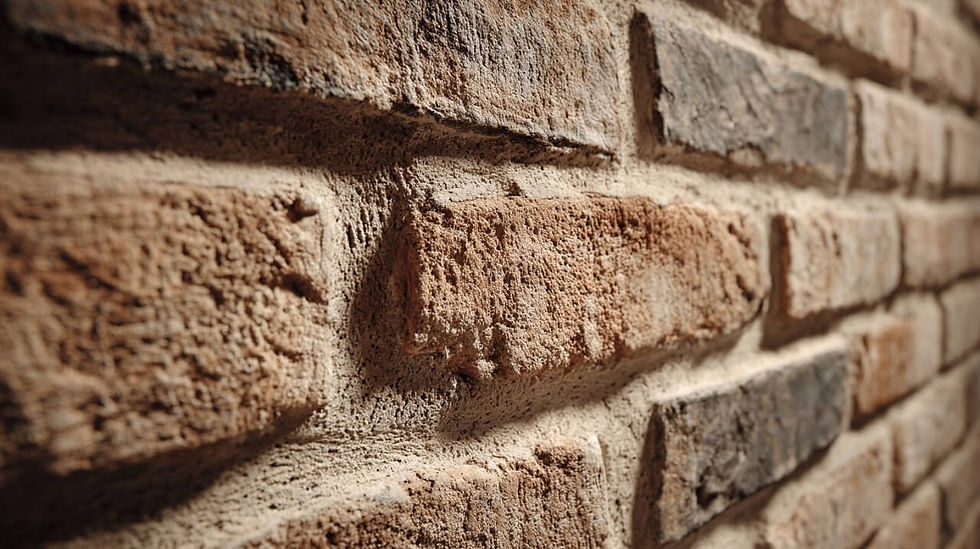
Grout always dries lighter than it looks in the bag.
Natural daylight can make it look softer, while warm indoor light deepens beige and brown tones.
Cool white light can push gray tones toward blue.
Mix a small batch of grout.
Apply between a few sample bricks.
Let it dry for a full day.
Check the color under daylight and at night.
Decide only after viewing both.
Frequently Asked Questions
How long should grout dry before sealing?
Grout should dry for at least three full days before sealing. The surface must be firm and dry to the touch. Sealing too early traps moisture and can cause uneven color. Once cured, use a quality sealer suited for brick and grout to protect both from stains and water.
Should bricks be sealed before grouting?
Sealing before grouting helps prevent haze or staining on the brick surface. It makes cleanup faster, especially on light or porous bricks. If the goal is a more natural, rough look, sealing can wait until after grouting.
What type of grout works best for thin brick?
Sanded grout is the right choice for most thin brick projects because it fills wider joints and gives a stronger structure.
Unsanded grout is better for narrow joints under one-eighth of an inch.
How can I prevent grout haze on brick?
Use a damp sponge to wipe the surface as you work, not after the grout dries. Do small sections at a time. Once haze hardens, it becomes much harder to remove. A vinegar-and-water mix or mild haze remover can help with final cleanup.
Can temperature or humidity affect grout color?
Yes. Cold, humid air slows drying and makes the color appear darker. Warm, dry air speeds drying and lightens the final tone. Keep the space at a steady temperature for the best result.
Bottom Line

Grout color decides how the whole surface looks once the job is done. The right tone ties the brick, light, and layout together into one solid finish. A close match builds calm balance. A clear contrast gives shape and depth.
Before locking in a choice, test a small section and let it dry. Real color shows only under real light. Care at that stage makes the difference between a surface that feels complete and one that feels off.


