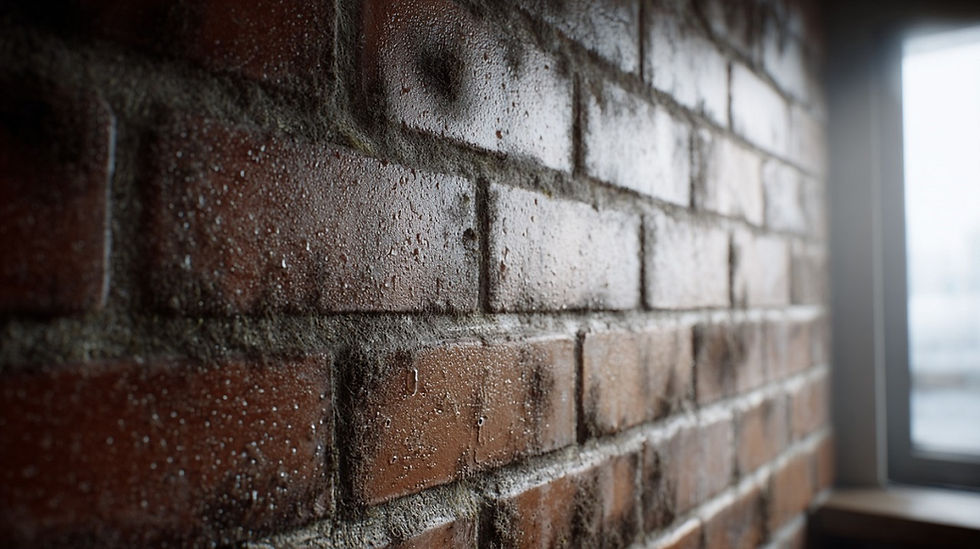
Thin Brick Vs Porcelain Tile: What To Use In Kitchens, Bathrooms, And Outdoors?
Updated: Jan 26
Thin brick and porcelain tile give two very different finishes, so the smart move involves matching each one to the space.
Porcelain stays common in areas that see a lot of water and regular cleaning.
Thin brick brings the brick look and texture people usually want when they are aiming for warmth and character.
We will provide more details about what to use in kitchens, bathrooms, and outdoor areas.
Kitchen Floors

Kitchen floors are facing a lot of pressure all the time. Spills happen while cooking, grit gets tracked in from outside, and chairs scrape the same paths every day.
The right material for a kitchen floor comes down to how you live in the space and how much cleaning you want to deal with.
Thin Brick On Kitchen Floors
Thin brick makes sense when the brick's look matters, and you want that texture underfoot.
Things that Make a Difference
Layout: running bond looks classic, herringbone looks more intentional, basketweave feels traditional.
Joints and grout: wider joints lean traditional. Grout close to the brick tone feels calmer, contrasting grout makes the pattern pop.
Problem spots: put mats at exterior doors and by the sink, since that is where grit and water usually collect.
Dry layout first: set a few rows without adhesive so cuts land cleanly around an island, a doorway, and the main sightlines.
Porcelain Tile On Kitchen Floors

Porcelain makes sense when you want a kitchen floor that stays easy to wipe and mop.
Things that Make a Difference
Finish: matte or lightly textured feels better when the floor gets wet than glossy tile.
Tile size: a larger tile usually means fewer grout lines to keep clean.
Grout color: match grout close to tile tone so daily dirt does not stand out.
Cut planning: avoid skinny strips along cabinets and islands, since they look awkward and can chip more easily.
Kitchen Walls And Backsplashes
Kitchen walls in a cooking area get more abuse than people expect. Steam, grease, and splashes spread past the sink and stove, and then you end up wiping the same spots over and over.
That makes the choice of material and layout very important, since grout lines, texture, and finish show at eye level.
Thin Brick On Kitchen Walls And Backsplashes

Thin brick fits well on a backsplash or an accent wall because it adds depth and a classic look.
It works especially well behind open shelves, around a range hood, on a full height backsplash wall, or on an island face.
Tips that Make It Look Clean
Pick the joint look early: grout close to brick tone feels calmer. Lighter grout makes the pattern stand out more.
Choose a clear end point: stopping at the bottom of upper cabinets looks neat. Going full height to the ceiling looks bold and usually suits a hood wall.
Plan corners and edges: decide where the cut edges will land so the most visible end does not look chopped up.
Think about the stove area: heavy frying means more splatter. Many people keep thin brick on the wider backsplash, then use a smooth wipeable panel directly behind the cooktop for easier cleanup while keeping the brick look elsewhere.
Protect the finish: use a sealer appropriate for backsplash use so grease and sauces wipe off more easily.
Porcelain Tile On Kitchen Walls And Backsplashes

Porcelain makes backsplash maintenance simple. Wipe it, done. It also gives more control over the look, from small subway tile to large format pieces with fewer grout lines.
Tips for Easier Maintenance
Use larger pieces behind the stove when possible: fewer grout lines means easier cleanup in the messiest zone.
Pick a finish based on what annoys you: glossy wipes fast but shows fingerprints, matte hides smudges more but can hold grime in texture.
Lay out from the focal point: center the pattern behind the stove or sink so cuts end up at the edges, not in the middle.
Handle edges cleanly: use trim pieces or a metal profile where tile ends and painted wall begins.
Plan outlet cuts: keep outlets level and centered in the tile layout so cover plates sit flat and look intentional.
Bathroom Floors
Bathrooms get wet all the time. Water drips after showers, splashes near the sink, and moisture stays in the room longer than people expect.
Floor choice matters because the surface stays exposed to daily use and regular cleaning.
Thin Brick On Bathroom Floors

Thin brick works well in bathrooms where the floor is meant to be part of the design. It fits especially well in powder rooms, guest bathrooms, and primary bathrooms with good airflow.
Smoother brick surfaces feel better under bare feet than heavily textured ones.
Simple layouts like running bond usually look best in smaller rooms, since complex patterns can make the space feel crowded.
Grout color plays a big role here. Grout close to the brick tone keeps the floor visually calm, while lighter grout draws more attention to the pattern.
Bath mats help a lot. One near the shower or tub and one near the sink keep water from spreading and make daily use easier. Good ventilation also matters. A proper exhaust fan helps the floor dry faster and keeps the room feeling cleaner over time.
Porcelain Tile On Bathroom Floors
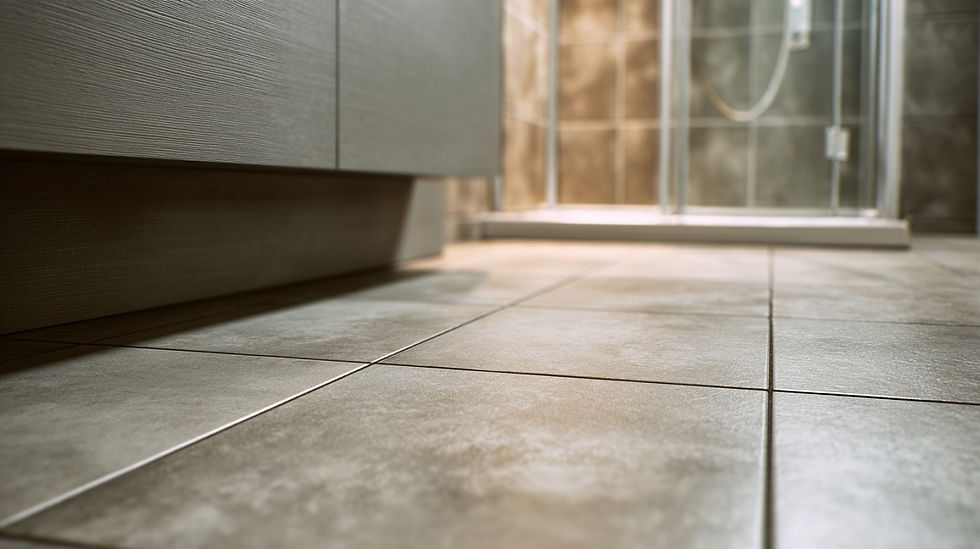
Porcelain is common in bathrooms because it stays easy to clean and works well with regular water exposure.
Matte or lightly textured finishes feel more secure underfoot than glossy ones, especially near the shower.
Larger tiles reduce grout lines, which many people prefer for cleaning and appearance.
Grout close to the tile color usually looks cleaner over time than bright grout.
Porcelain also works well with heated floor systems, which makes a noticeable difference in comfort, especially in colder months.
Bathroom Walls And Accent Areas
Bathroom walls cover a lot of different zones.
One area gets direct spray, another gets hand splashes, and another stays mostly dry and exists for looks.
Good results come from treating each wall like a zone, then choosing the finish that fits that zone.
Thin Brick On Bathroom Walls And Accent Areas

Thin brick usually fits best in parts where you want to improve the appearance, without turning every wall into the same surface.
Best Places For Thin Brick
Vanity wall behind a mirror
Accent wall behind a freestanding tub
Upper wall section outside direct shower spray
Half wall with tile below and painted wall above
Layout And Design Tips That Matter
Keep the pattern simple in smaller bathrooms. Running bond stays clean visually and does not fight with mirrors, lighting, and hardware.
Choose grout on purpose. Grout close to brick tone looks calmer. Lighter grout highlights each brick and pushes a stronger contrast look.
End it cleanly. Plan the stopping point so the edge lands at a natural line like a corner, a cabinet edge, or a change in material.
Use lighting to your advantage. Thin brick looks best with light that hits at an angle, since texture creates shadow depth. A vanity light bar aimed straight down can flatten the look.
Where Thin Brick Looks Best In Bathrooms?
Single accent wall with painted drywall on the other sides
Thin brick at the vanity zone, with a smoother surface at the shower area
Warm look when fixtures and surrounding surfaces lean modern and smooth
Porcelain Tile On Bathroom Walls And Accent Areas

Porcelain works well on bathroom walls when you want a clean finish, an easier wipe down, and lots of style options.
Best Places For Porcelain
Full shower walls
Tub surround
Entire bathroom wall coverage when a uniform look is the goal
Wainscot with paint above for a classic bathroom layout
Layout And Practical Tips
Fewer grout lines on big wall runs: large-format wall tile can look cleaner and usually feels easier to maintain.
Small tile where shapes get tight: niches, benches, and curved details usually look better with smaller tile.
Plan around mirrors and outlets: center the layout so cuts do not land in awkward places near a mirror edge, a sconce, or a switch plate.
Pick finish based on cleaning style: glossy wipes fast, matte hides smudges better. Both can work, decision depends on what tends to annoy you more.
Thin Brick Vs Porcelain Tile For Bathroom Walls
Thin Brick | Porcelain Tile | |
Best Use | Accent walls, vanity zones, feature areas | Shower walls, tub surrounds, full wall coverage |
Look | Textured, layered, masonry feel | Smooth to textured, many style options |
Layout Style | Works best with simple patterns and deliberate joints | Works with simple or complex patterns, wide format options |
Visual Impact | Strong character at eye level | Clean, controlled look with many finishes |
Typical Pairing | Paint or porcelain on nearby wet zones | Paint, stone, or a feature material on one wall |
Tips To Combine Thin Brick And Porcelain Tile In A Bathroom
Keep porcelain inside the shower zone and use thin brick outside, direct spray, like the vanity wall or one accent wall.
Use one grout color family so the room feels connected.
Stop the thin brick at a clean line, such as a corner, cabinet edge, or a vertical trim profile, so the transition looks intentional.
Avoid mixing both materials on the same flat wall run without a clear break, since it can look accidental.
Outdoor Floors
Outdoor floors get exposed to everything. Rain, dirt, leaves, sun, temperature swings, and sometimes freeze and thaw.
A patio can look perfect after installation and still turn into a mess if water sits in the wrong places or the surface gets slick when damp.
Drainage and surface grip matter as much as the material.
Thin Brick On Outdoor Floors
Thin brick outdoors gives a classic look that fits patios, porches, garden paths, and outdoor seating areas.
It pairs well with landscaping and does not feel overly modern.
Don't Miss These Details
Slope and drainage: water must run off. Flat outdoor floors cause problems, no matter what you install.
Surface texture: some brick textures feel better underfoot and hide dirt better than smoother finishes.
Grout joints: outdoor floors usually look better with joints that match the brick tone, since bright grout can get dirty fast.
Entry zones: place walk off mats or a rougher landing area at doors so grit does not spread.
Porcelain Tile On Outdoor Floors
Porcelain outdoors works well when you want a clean finish and easier cleanup.
Many people use it for patios, terraces, balconies, and pool areas, especially when they want a modern look.
Also Keep in Mind
Slip resistance: pick a surface intended for outdoor use, since some finishes get slick when wet.
Tile thickness and rating: outdoor porcelain options vary, so choose one designed for exterior floors rather than an indoor wall tile.
Size and layout: larger tiles look clean, yet they need a well-prepared base to avoid movement and rocking.
Drainage still matters: even with porcelain, water must have a way to leave the surface.
Outdoor Walls And Facades
Outdoor walls stay vertical, so they avoid standing water and foot traffic. The weather still hits them every day. Sun fades color, rain carries dirt, wind pushes moisture into joints.
The way edges end and corners turn matters more here than tile size.
Thin Brick On Outdoor Walls And Facades

Thin brick suits exterior walls when the goal is a masonry look without building a full brick wall.
Common uses include house facades, porch walls, chimneys, outdoor fireplaces, privacy walls, and planter surrounds.
Additional Tips
Start and stop points: end the surface at corners, columns, or trim lines so it looks intentional. Random cut endings look unfinished outside.
Corners: plan how the brick wraps around edges. Clean returns read much better than exposed cut ends.
Joint look: deeper joints create shadow and texture. Flatter joints read cleaner and more modern.
Color in daylight: brick can look different outside than indoors. Check samples in direct sun and shade before committing.
Thin brick usually looks best when it covers a full section of wall rather than appearing as a thin band mixed with other materials.
Porcelain Tile On Outdoor Walls And Facades

Porcelain works on exterior walls when the goal is a cleaner or more modern finish, or when you want the wall to visually connect with an outdoor floor or an interior surface.
Additional Tips
Surface finish: textured or matte finishes hide dust and water marks better than polished ones outdoors.
Format choice: large formats look clean, yet layout planning becomes important around windows, doors, and trim.
Edge handling: decide early how edges terminate at corners, soffits, and transitions so the tile does not look clipped.
Design: using the same porcelain look on an exterior wall and an adjacent interior wall can tie spaces together through glass doors or covered areas.
Can You Combine Thin Brick And Porcelain Tile?
Yes, combining them can make sense when each material has a clear place.
Thin brick works best when it is treated as a visual surface.
On the other hand, porcelain serves a more practical purpose since it is simple to clean and handles water exposure well.
1. Kitchen With Thin Brick Accent Wall And Porcelain Floor
Thin brick on one wall, usually behind open shelving or a dining nook.
Porcelain on the full kitchen floor. Porcelain behind the stove and sink. Brick stays where it gets seen, porcelain stays where mess happens.
2. Kitchen With Thin Brick Backsplash And Porcelain Floor
Thin brick along the main counter wall where visual impact matters. Porcelain is directly behind the cooktop if heavy cooking happens.
Porcelain on the floor throughout the kitchen.
3. Bathroom With Porcelain Shower And Thin Brick Vanity Wall
Porcelain on the shower walls and shower floor. Porcelain on the bathroom floor. Thin brick only on the wall behind the vanity mirror. Brick stays outside direct water.
4. Bathroom With Thin Brick Accent Wall Outside The Shower
Porcelain in the shower area. Thin brick on the wall opposite the shower or the first wall you see when entering the bathroom.
Porcelain on the floor to keep cleaning simple.
5. Outdoor Space With Thin Brick Walls And Porcelain Floor Under Cover
Thin brick on exterior walls, columns, or fireplace structures. Porcelain on a covered patio floor where people walk and sit.
Final Thoughts
Thin brick and porcelain tile look different and suit different parts of a home. Thin brick makes the biggest impact on walls, accents, and feature areas where texture matters. Porcelain remains the safer choice for wet zones and surfaces that get cleaned often.
Use one simple approach when deciding. Pick the space first, then choose the material based on how that space gets used every day.